
When starting a business in South Africa, entrepreneurs often face an important decision: should you buy a shelf company or register a new company?
Both options allow you to legally operate a business, but they differ in terms of time, credibility, cost, and convenience.
Understanding the differences between a shelf company vs a new company will help you choose the best option for your business goals.
What Is a Shelf Company?
A shelf company is a business that has already been registered with the Companies and Intellectual Property Commission (CIPC) but has never traded. These companies are created in advance and kept inactive until someone buys them.
When you purchase a shelf company, ownership of the company is transferred to you, and you become the new director and shareholder.
Shelf companies often already have:
- A company registration number
- An earlier incorporation date
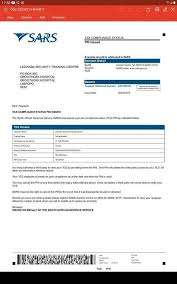
- Tax registration with SARS
- Sometimes VAT registration
This allows the buyer to start operating the business almost immediately.
What Is a New Company?
A new company is a business that you register yourself through the Companies and Intellectual Property Commission (CIPC).
This process involves creating a company name, submitting registration details, and registering for tax with the South African Revenue Service (SARS).
After the company is registered, you may still need to apply for additional registrations such as:
- VAT registration
- PAYE registration
- UIF registration
This process can take several days or weeks depending on the approvals required.
Key Differences Between a Shelf Company and a New Company
1. Registration Time
One of the biggest differences is the time it takes to start operating.
A shelf company is already registered, so you only need to transfer ownership. This allows you to start trading much faster.
A new company must go through the full registration process before it becomes operational.
Winner: Shelf company (faster to start)
2. Company Age and Credibility
Shelf companies often have an older registration date. This can make the business appear more established when dealing with suppliers, banks, or potential clients.
New companies have a current registration date, meaning they are clearly newly formed businesses.
Winner: Shelf company (older company age)
3. Cost
Registering a new company is usually cheaper because you only pay the official registration fees.
Shelf companies tend to cost more because they have already been registered and maintained until someone purchases them.
Winner: New company (lower cost)
4. VAT Registration
New companies must apply for VAT registration separately, and approval may take time depending on SARS requirements.
Some shelf companies are already registered for VAT, allowing the new owner to start issuing VAT invoices immediately.
Winner: Shelf company (if VAT is already registered)
5. Business Opportunities
Some tenders, supplier accounts, and contracts prefer companies that have been registered for some time.
Because shelf companies may have an older registration date, they can sometimes provide an advantage when applying for these opportunities.
New companies may need time to build credibility and history.
Winner: Shelf company (potential advantage)
When Should You Buy a Shelf Company?
Buying a shelf company may be the better option if:
- You need to start trading immediately
- You want a company that appears older or more established
- You need a company that already has VAT registration
- You want to apply for tenders quickly
In these situations, a shelf company can save time and help your business move faster.
When Should You Register a New Company?
Registering a new company may be better if:
- You want a lower startup cost
- You prefer building the company from scratch
- You do not need to start trading immediately
- You want full control over the registration process